TRANSFER INTO SPRING SEMESTER.
Start your year with purpose. Classes begin in January.
Homecoming & Family Day
October 4, 2025

RESOURCE MENU

trojan watermark.jpg

RESOURCE MENU

trojan watermark.jpg
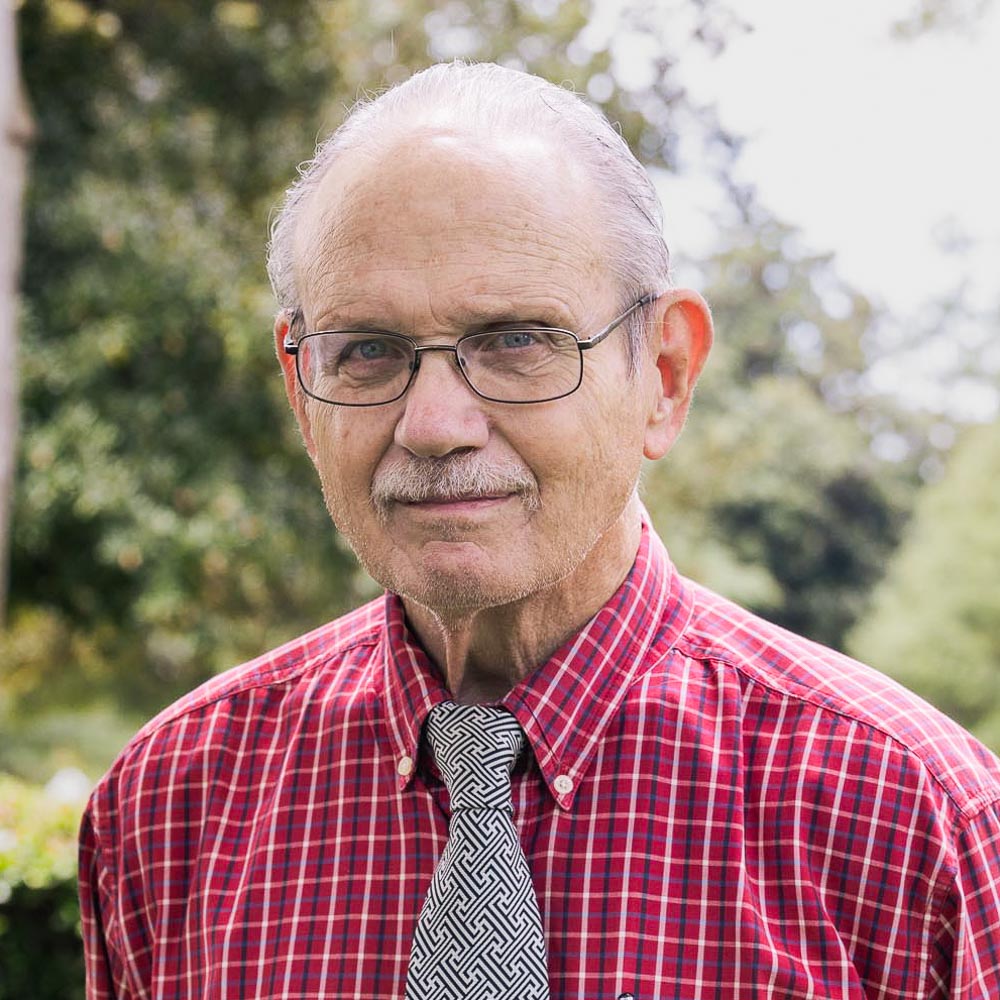
JACK ABRAHAM HEADSHOT

Dr. Jack Abraham, EdD

School of Public Service and Administration
Adjunct Professor, Homeland Security & Emergency Services Degree Programs
jabraham@andersonuniversity.edu
Academic Background

I was born in 1949 in Alexandria, VA. I earned a Bachelor of Science Degree in Business Administration, a Master of Arts Degree in Management, and a Doctor of Vocational and Technical Education from Clemson University.
I have been an EMT, Paramedic, and Chief of three different Fire Departments.
I have been a project manager for the construction of a new fire station and the purchase of new emergency response equipment, and supervised volunteer and career personnel.
I have lost two wives for medical reasons and one son due to fentanyl.

BS Business Administration

MA Management

EdD Vocational and Technical Education

Fast Facts

My teaching assignments by my Department Head are intended to provide emergency first responders with a college-level education in managing human resources and tangible assets to safely, efficiently, and effectively satisfy the mission of the organization/agency that the student is employed by or the student volunteers for. Classes may be traditional seated classes, online classes, or a combination of seated and online (hybrid) classes. My classes also emphasize current events to enhance the students’ learning for actual successes and failures in emergency operations.

I appreciate the leadership and service of Department Head Howard Murphy. I have served in various positions, including Director of Emergency Management Operations at Clemson University. I have served as a Training Officer for several different agencies. I have benefited professionally from my higher education, including being the Chief of three different Fire Departments and an advanced life support emergency medical service. I have also been elected to serve as an Elected President of several state-wide fire service organizations.
I am motivated to teach students who aspire to maximize their professional potential by achieving a college-level degree, learning from the mistakes I have made, and drawing on the successes of the team members I have had the privilege of leading.

Most employees and volunteers in this profession are government employees, which can make entry-level employees feel insignificant. My emphasis when I was employed in public safety and as I teach the courses is that “leadership” is crucial to organizational success. Preventing line-of-duty fatality and/or serious job-related illness like cancer is everyone’s responsibility. When I was the department head, I never had a line-of-duty fatality. However, I did have employees who were injured in the line of duty, including cancers and lung disease. I reflect on what I could have done differently to prevent these.
I also want students to understand the profession of “public servant.” Citizens expect our students to rescue them or put out their fire or protect the citizens from criminals. Servants make sacrifices, including family time, some finances, and frequently working in a diverse team.

Elected President or Chair of seven state-wide professional associations.

Compared to some other institutions where I have taught, I “enjoy” the Christ-centered institution of higher education at Anderson University. One example is the support faculty receive from staff members to help the faculty be successful in the classroom.

1. Emergency management
2. Law enforcement
3. Emergency medical services
4. Fire services
5. Hazardous materials management and emergency response
6. Preplanning for foreseeable events such as dangerous climatic conditions
7. General management functions of planning, organizing, leading, and controlling

Published 16 articles in occupational safety and fire service professional periodicals, including:  Professional Safety (1987), Occupational Health and Safety (1987), Fire Chief (1990, 1989, 1988, 2012), Fire Command (1989, 1988), Fire Engineering (1991).

Conducted seminars including:  American Society of Safety Engineers (Spartanburg, South Carolina, 1986); Firehouse Exposition (Charlotte, North Carolina, 1988); International Association of Fire Chiefs (St. Louis, Missouri, 1987; Washington, DC, 1988), National Fire Protection Association (Seattle, Washington, 1989); UNC Charlotte (1997 – 2010).